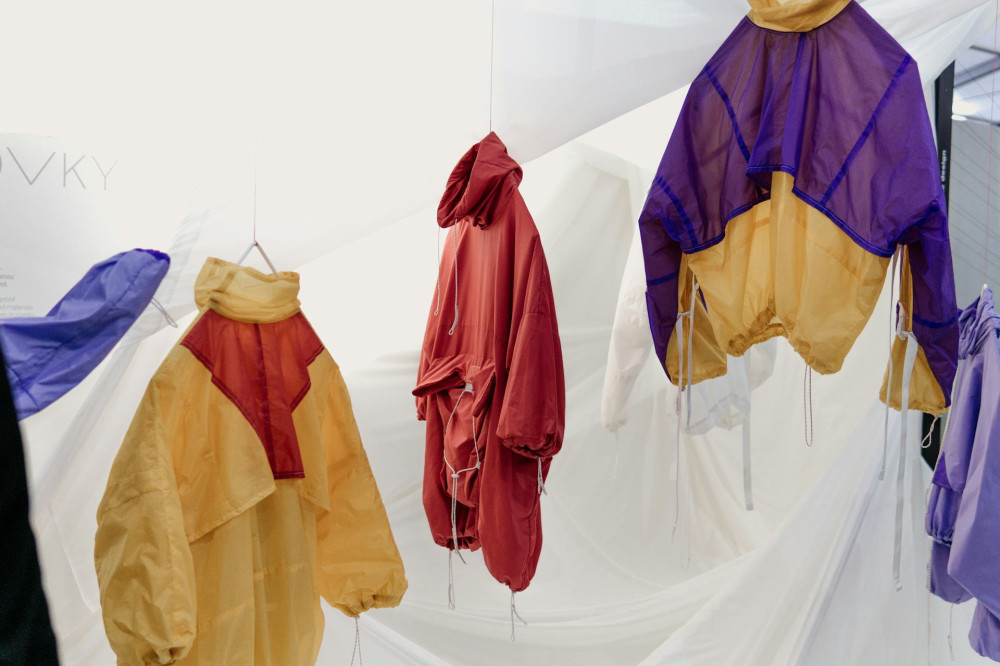
Polyester in the Fashion World: Durability, Shape, and Function

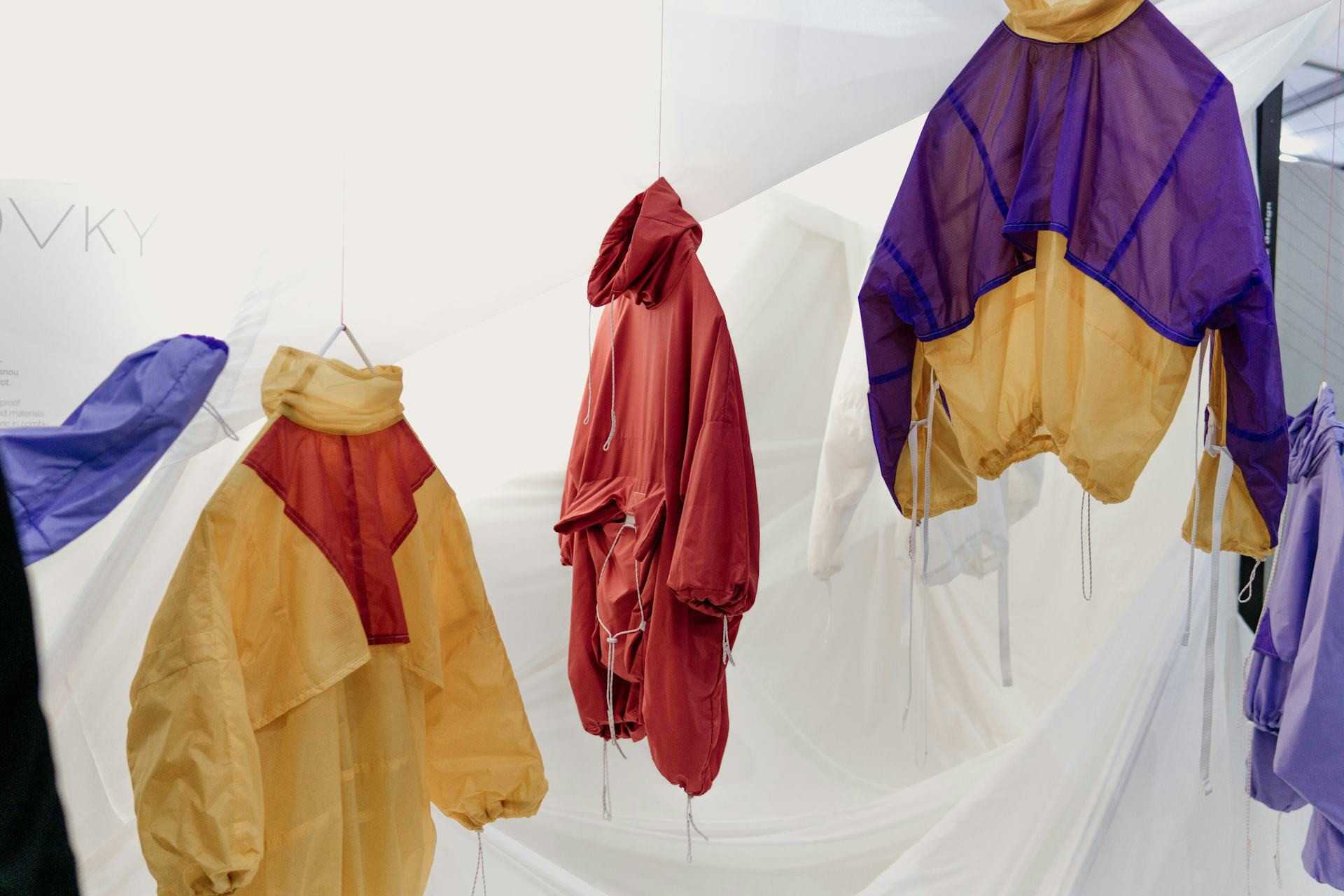
Polyester in the Fashion World: Durability, Shape, and Function
Polyester is one of the most widely used materials in today’s fashion industry—praised by some for its practicality and durability, and criticized by others for its synthetic origins. But what exactly makes polyester so prevalent, and why does it remain a staple in everything from athletic wear to high-end fashion? This article explores the material’s key properties, its role in modern design, and the innovations shaping its future.
A Material Built to Last
Developed in the mid-20th century as a durable alternative to natural fibers like cotton and wool, polyester is a synthetic fiber made from petroleum-based products. It’s known for its strength, resistance to shrinking and stretching, and ability to retain color and shape. These qualities make it ideal for everyday clothing, uniforms, and performance wear.
For many American consumers, polyester’s durability translates into longer-lasting garments that require less maintenance. It can be washed repeatedly without losing its structure, dries quickly, and resists wrinkles—convenient features for busy lifestyles and travel.
Læs også:


Shape and Function in Design
Polyester’s popularity isn’t just about toughness—it’s also about versatility. The fiber can be woven, knitted, or finished in countless ways, allowing designers to create fabrics that range from silky and soft to crisp and structured. It’s used in everything from sportswear and outerwear to dresses, suits, and home textiles.
In activewear, polyester is nearly indispensable. It wicks moisture away from the body, maintains its shape during movement, and can be engineered for breathability or insulation. In more refined fashion segments, polyester is often blended with natural fibers to combine comfort with performance—such as cotton-polyester blends that offer both softness and strength.
Environmental Challenges and New Solutions
Despite its advantages, polyester presents environmental challenges. Because it’s derived from fossil fuels, its production contributes to carbon emissions, and the material does not biodegrade naturally. Additionally, polyester fabrics shed microfibers during washing, which can end up in waterways and oceans.
The fashion industry is responding with innovation. A growing share of polyester production now comes from recycled sources, such as plastic bottles or textile waste. Recycled polyester reduces the need for new petroleum and helps divert plastic from landfills. Some companies are also experimenting with biodegradable versions and circular production systems, where polyester can be reused or remade into new garments.
Polyester and the Future of Fashion
As sustainability becomes a defining theme in American fashion, perceptions of polyester are shifting. Once seen as a “cheap” substitute for natural fibers, it’s now recognized as a technical material with significant potential—especially when used responsibly.
Designers are exploring new ways to incorporate polyester both aesthetically and functionally. It can lend garments a futuristic sheen, create lightweight and flexible structures, and serve as a key component in innovative fabric blends. Meanwhile, consumers are becoming more aware of how to extend the life of their clothing through proper care, repair, and recycling.
A Material in Constant Evolution
Polyester is here to stay—but not necessarily in its current form. The polyester of the future will likely be more sustainable, more technologically advanced, and more thoughtfully integrated into the fashion ecosystem. Its combination of durability, shape retention, and functionality ensures it will remain one of the most important materials in the fashion world.
For both designers and consumers, the challenge now is to balance performance with responsibility—and in that balance, polyester continues to play a central role in shaping a more sustainable fashion culture.
Læs også: