Fashion Design Through the Decades: The Trends That Shaped Style


Fashion Design Through the Decades: The Trends That Shaped Style
Fashion has always been more than just clothing – it’s a reflection of its time. Each decade tells a story through silhouettes, fabrics, and colors that mirror social values, cultural shifts, and technological progress. From the polished elegance of the 1950s to today’s focus on sustainability and individuality, fashion design has evolved alongside society itself. Here’s a look at the key trends that have shaped American style through the decades.
The 1950s – Elegance and Optimism
After the hardships of World War II, the 1950s brought a renewed sense of prosperity and hope. Women’s fashion embraced femininity with cinched waists, full skirts, and soft fabrics inspired by Christian Dior’s “New Look.” In the U.S., Hollywood stars like Marilyn Monroe and Grace Kelly set the tone for glamour and sophistication. Men favored tailored suits, fedoras, and polished shoes, reflecting stability and success in a booming postwar economy.
Læs også:
The 1960s – Youth Revolution and Bold Expression
The 1960s marked a cultural turning point. The youth movement challenged traditional norms, and fashion became a symbol of freedom and rebellion. Miniskirts, go-go boots, and psychedelic prints captured the spirit of change. American designers like Rudi Gernreich and Betsey Johnson pushed boundaries, while icons such as Twiggy and The Beatles influenced global style. The decade’s fashion was colorful, experimental, and unapologetically modern.
The 1970s – Bohemian Spirit and Disco Glam
The 1970s were a melting pot of styles. The hippie movement brought natural fabrics, bell-bottoms, and tie-dye, celebrating peace and individuality. At the same time, the disco era shimmered with sequins, metallic fabrics, and platform shoes. American designers like Halston defined effortless glamour, while denim became a wardrobe staple for both men and women. Fashion in the ’70s was about self-expression – from boho chic to Studio 54 sparkle.
The 1980s – Power Dressing and Excess
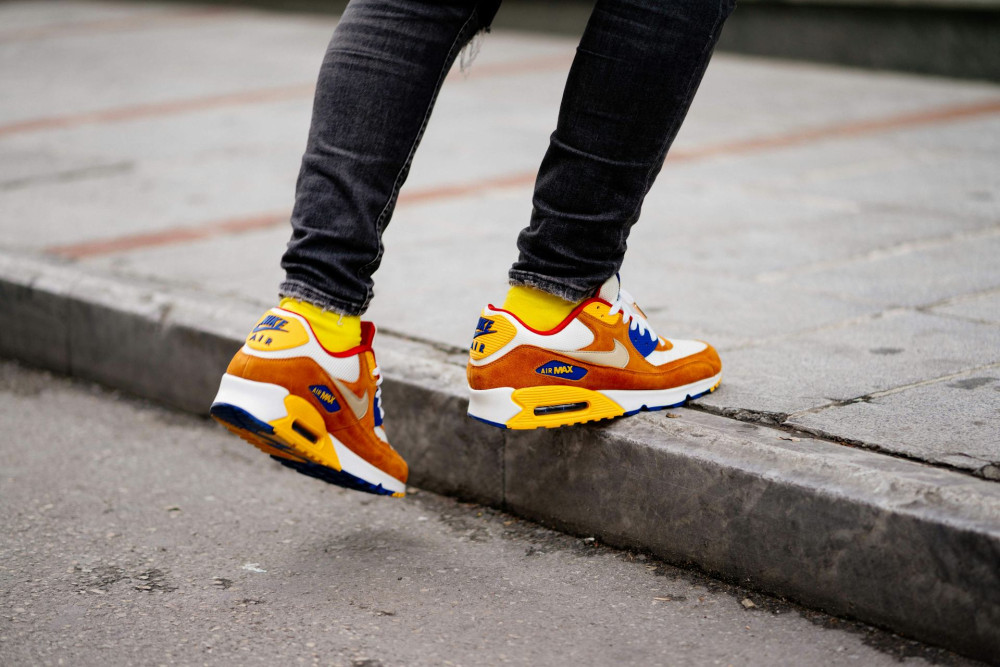
The 1980s were bold, loud, and full of confidence. As women entered corporate America in greater numbers, “power dressing” became a statement of ambition. Shoulder pads, tailored blazers, and bright colors dominated the decade. Designers like Donna Karan and Calvin Klein redefined American fashion with sleek, structured looks. Meanwhile, streetwear and athletic brands like Nike and Adidas began influencing everyday style. In the ’80s, more was definitely more.
The 1990s – Minimalism and Grunge
After the extravagance of the ’80s, the 1990s embraced simplicity and authenticity. Minimalist designers such as Helmut Lang and Jil Sander favored clean lines and neutral tones, while the grunge movement – led by bands from Seattle – introduced flannel shirts, ripped jeans, and combat boots. Supermodels like Kate Moss popularized the “heroin chic” aesthetic, and casualwear became mainstream. The ’90s were about comfort, individuality, and a rejection of excess.
The 2000s – Fast Fashion and Global Influence
The new millennium brought rapid globalization and the rise of the internet. “Fast fashion” brands like Forever 21 and H&M made runway trends accessible to everyone, while celebrity culture and reality TV shaped what people wore. Low-rise jeans, logo-heavy designs, and velour tracksuits defined the era. At the same time, luxury fashion houses began collaborating with streetwear brands, blurring the lines between high and low fashion. The 2000s were fast-paced, flashy, and driven by pop culture.
The 2010s – Digital Culture and Sustainability
The 2010s transformed fashion through technology and social media. Instagram and influencers became powerful trendsetters, and online shopping changed how Americans consumed fashion. Athleisure – the blend of athletic and casual wear – became a dominant style, reflecting a more relaxed lifestyle. Meanwhile, sustainability gained momentum as consumers questioned the environmental impact of fast fashion. Designers began focusing on ethical production, recycled materials, and timeless design.
The 2020s – Conscious Consumption and Individual Identity
Today’s fashion is defined by awareness and authenticity. Consumers value transparency, inclusivity, and sustainability more than ever. Vintage shopping, upcycling, and small-batch production have become mainstream. Technology continues to shape design, from digital fashion shows to virtual try-ons. Gender-fluid and size-inclusive collections reflect a broader understanding of identity. In the 2020s, fashion is personal – a way to express values as much as style.
The Ever-Turning Cycle of Style
While trends come and go, fashion always finds ways to reinvent the past. The bohemian flair of the 1970s, the minimalism of the 1990s, and the boldness of the 1980s all resurface in new forms. Fashion design through the decades reveals more than changing aesthetics – it tells the story of who we are, what we believe in, and how we choose to express ourselves.
Læs også: