The Perfect Reading Nook: How to Choose Lighting That’s Easy on Your Eyes

The Perfect Reading Nook: How to Choose Lighting That’s Easy on Your Eyes
A cozy reading nook isn’t just about a comfortable chair and a stack of good books — the lighting makes all the difference. The right light can turn reading into a relaxing escape instead of a strain on your eyes. Here’s how to choose lighting that keeps your eyes comfortable while creating the perfect atmosphere for your next page-turner.
Why Lighting Matters So Much
When you read, your eyes are constantly focusing on small details. If the light is too dim, your eyes have to work harder, which can lead to fatigue and headaches. If it’s too bright or poorly positioned, glare and reflections can make reading uncomfortable. The ideal lighting strikes a balance — even, warm, and directed toward what you’re reading.
Choosing the Right Light Source
The bulb is the heart of your lamp. Here are a few key things to consider:
- Color temperature: Look for a bulb with a warm white tone, around 2700–3000 Kelvin. This gives off a soft, inviting glow similar to late-afternoon sunlight — perfect for winding down with a book.
- Brightness: A bulb that produces about 400–600 lumens is usually ideal for reading. Too little light causes eye strain, while too much can feel harsh.
- LED over incandescent: LED bulbs are energy-efficient, long-lasting, and stay cool to the touch — a big plus when your lamp is close to where you sit.
Placement: Let the Light Work With You
Where you place your lamp is just as important as the bulb itself. The light should fall diagonally across your reading material to avoid shadows. If you’re right-handed, place the lamp on your left side; if you’re left-handed, do the opposite. That way, your hand won’t cast a shadow over the page.
A lamp with an adjustable arm or shade lets you direct the light exactly where you need it. This flexibility is especially useful if you switch between reading, journaling, or using a tablet in your nook.
Combine Direct and Indirect Light
A comfortable reading environment needs more than one light source. If you rely only on a bright reading lamp, the contrast between that light and the rest of the room can be too sharp. Your pupils have to constantly adjust when you look up from the page, which can tire your eyes.
The solution is to mix direct light (from your reading lamp) with indirect light (from ceiling fixtures, wall sconces, or a floor lamp in the background). This creates a balanced, even illumination that’s easier on your eyes.
Set the Mood With Light and Materials
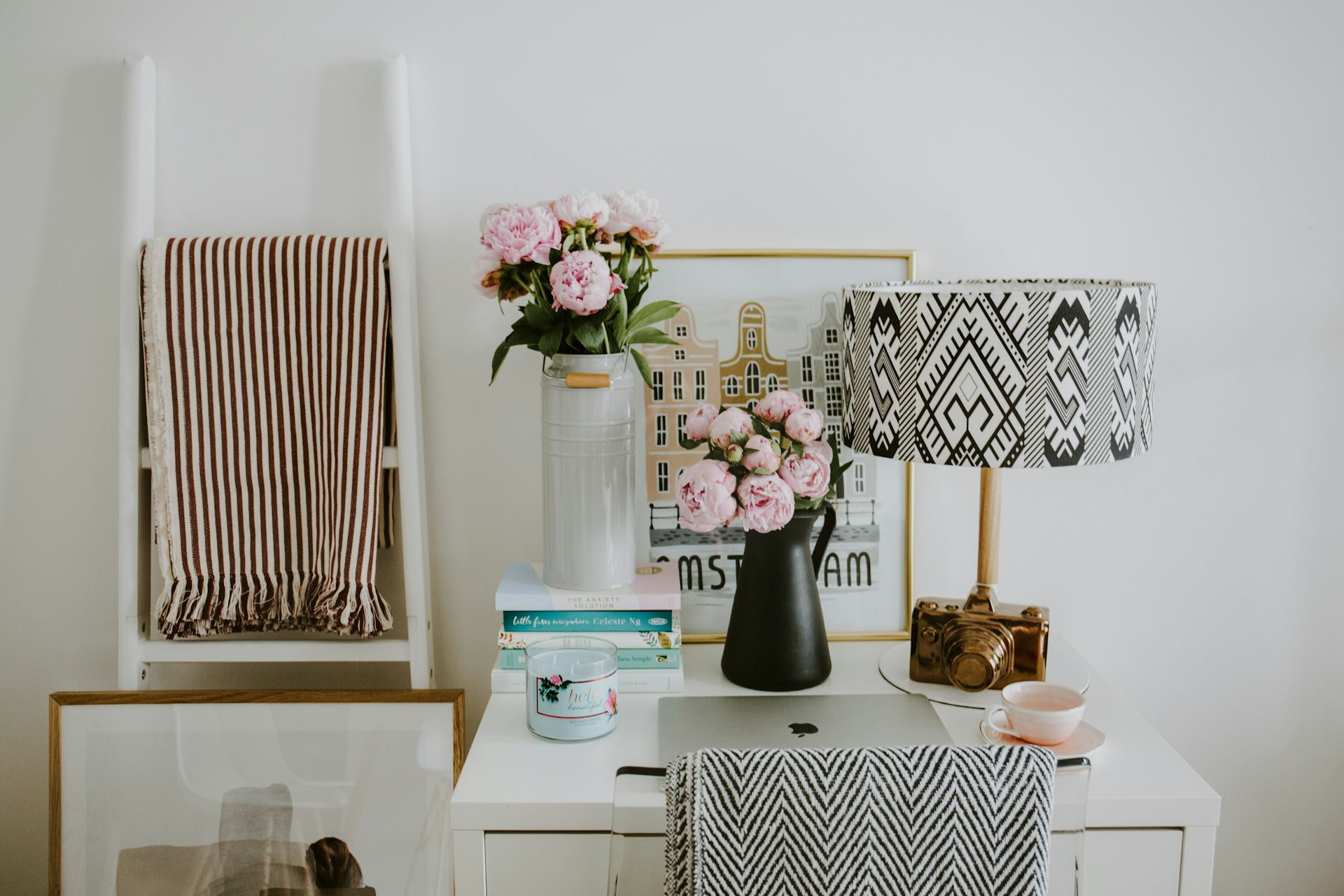
Your reading nook should feel as inviting as it is functional. Choose lampshades made of fabric, frosted glass, or metal with a diffuser to soften the light. A dimmer switch is a great addition — it lets you adjust brightness depending on the time of day or your mood.
Consider the colors in your space, too. Light-colored walls reflect light and make the room feel open, while darker tones absorb it and may require stronger lighting.
Læs også:

Don’t Forget Breaks and Variety
Even with perfect lighting, your eyes need rest. Follow the 20-20-20 rule: every 20 minutes, look at something 20 feet away for 20 seconds. It helps your eyes relax and prevents fatigue.
If you read often, try to vary your lighting throughout the day. Natural daylight is easiest on the eyes, so set up your reading nook near a window if possible — just avoid direct sunlight that can cause glare on pages or screens.
The Perfect Reading Nook Is Personal
There’s no single formula for the ideal reading nook. Some people love a warm, dim glow, while others prefer bright, crisp light. The key is to pay attention to how your eyes feel and make adjustments as needed.
With the right combination of light, placement, and atmosphere, you can create a space where you’ll want to linger for hours — lost in a good book, with eyes that stay happy the whole time.
Læs også: