Textured Necklaces: How to Create Depth and Visual Interest

Textured Necklaces: How to Create Depth and Visual Interest
A necklace is more than just an accessory—it’s a reflection of personality, mood, and creativity. While a simple chain can be timeless in its elegance, textured necklaces bring an extra layer of depth and visual intrigue. By playing with materials, shapes, and finishes, you can create a piece that catches both the light and the eye. Here’s how to explore texture in your jewelry, whether you’re designing your own or simply choosing with a more discerning eye.
What Does Texture Mean in Jewelry Design?
Texture refers to the surface quality of a piece and how it interacts with light and movement. A smooth, polished surface reflects light evenly, while a hammered or brushed finish scatters it, creating dimension and life. In necklaces, texture can emerge through:
- Materials – mixing metals, gemstones, beads, leather, or fabric for contrast.
- Form and links – experimenting with flat, twisted, or irregular chain links.
- Surface treatments – hammering, engraving, brushing, or oxidizing to alter the look and feel.
The key is balance—combining rough and refined elements so the necklace feels dynamic without becoming overwhelming.
Layering for Depth
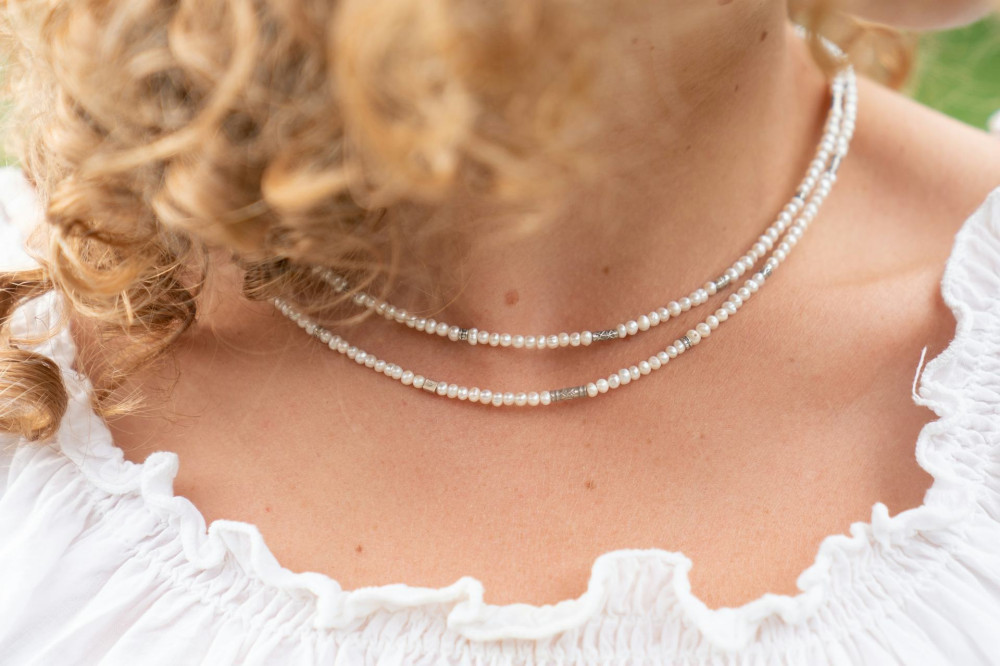
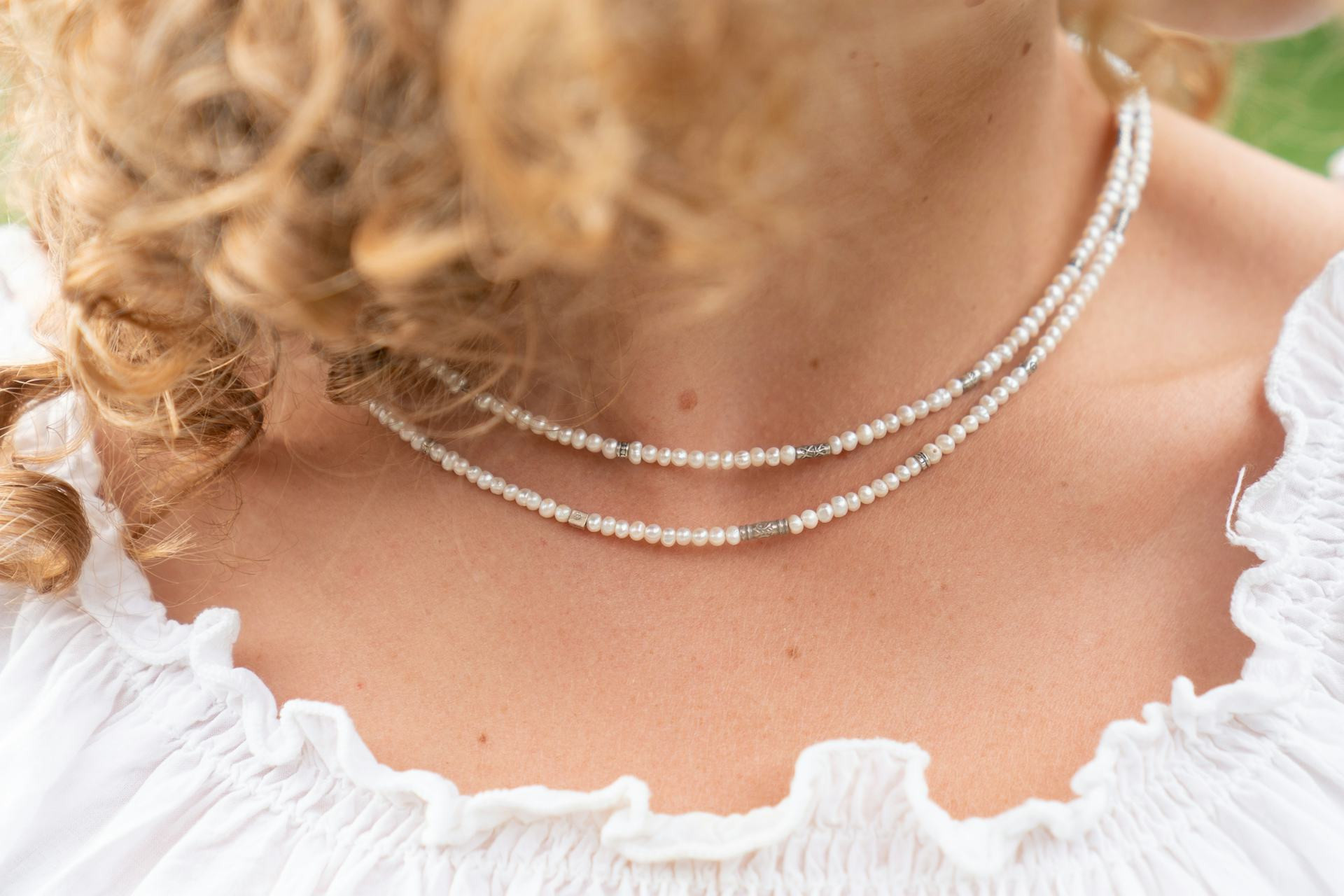
One of the easiest ways to add texture is through layering. The layered necklace trend has become a staple in American fashion, from casual street style to red-carpet looks. By combining chains of different lengths, thicknesses, and materials, you create natural rhythm and movement.
- Start with a base – a delicate chain close to the neck.
- Add a mid-layer – perhaps a chain with small charms or beads.
- Finish with a statement – a longer piece featuring a bold pendant or unique texture.
Think of each layer as a voice in a harmony—distinct on its own, but together creating depth and balance.
Surfaces That Catch the Light
Light plays a crucial role in how texture is perceived. A hammered surface reflects light in tiny flashes, while a matte or brushed finish gives a softer, more understated glow. Combining shiny and matte elements can create a captivating contrast that makes the necklace come alive.
If you’re working with precious metals, try experimenting with different techniques:
- Hammering for an artisanal, organic look.
- Brushing for a smooth, satin-like finish.
- Oxidizing to highlight patterns and add depth to details.
Even subtle variations in surface texture can transform the entire character of a piece.
Inspiration from Nature
Many jewelry designers draw inspiration from the textures found in nature—tree bark, seashells, sand, or stone. These organic patterns can be translated into metal or combined with natural materials like wood, turquoise, or raw crystals. The result is jewelry that feels alive and one-of-a-kind.
You can also play with natural contrasts: smooth versus rough, light versus dark. A necklace that combines polished and raw elements can tell a story of balance, transformation, and authenticity.
Læs også:

Choosing the Right Texture for Your Style
When selecting a textured necklace, think about the mood you want to express.
- For a classic look: choose fine textures and subtle contrasts.
- For a bohemian or artistic vibe: embrace irregular shapes, natural materials, and visible craftsmanship.
- For a modern, minimalist style: let texture be the focal point—perhaps a single matte pendant on a sleek chain.
Texture doesn’t have to be dramatic to make an impact. Often, it’s the smallest details that give a piece its personality.
A Necklace with Story and Soul
A textured necklace isn’t just decoration—it carries the imprint of craftsmanship, materials, and time. It tells a story through its surfaces and forms. Whether you choose a contemporary design or a vintage piece with patina, texture is what gives jewelry its soul.
Next time you hold a necklace, take a moment to feel it. Notice how it catches the light, how it moves, how it feels against your skin. In those subtle details lies the true magic of texture.
Læs også: