High or Low Neckline? How to Choose the Right Sweater for the Season and Your Style

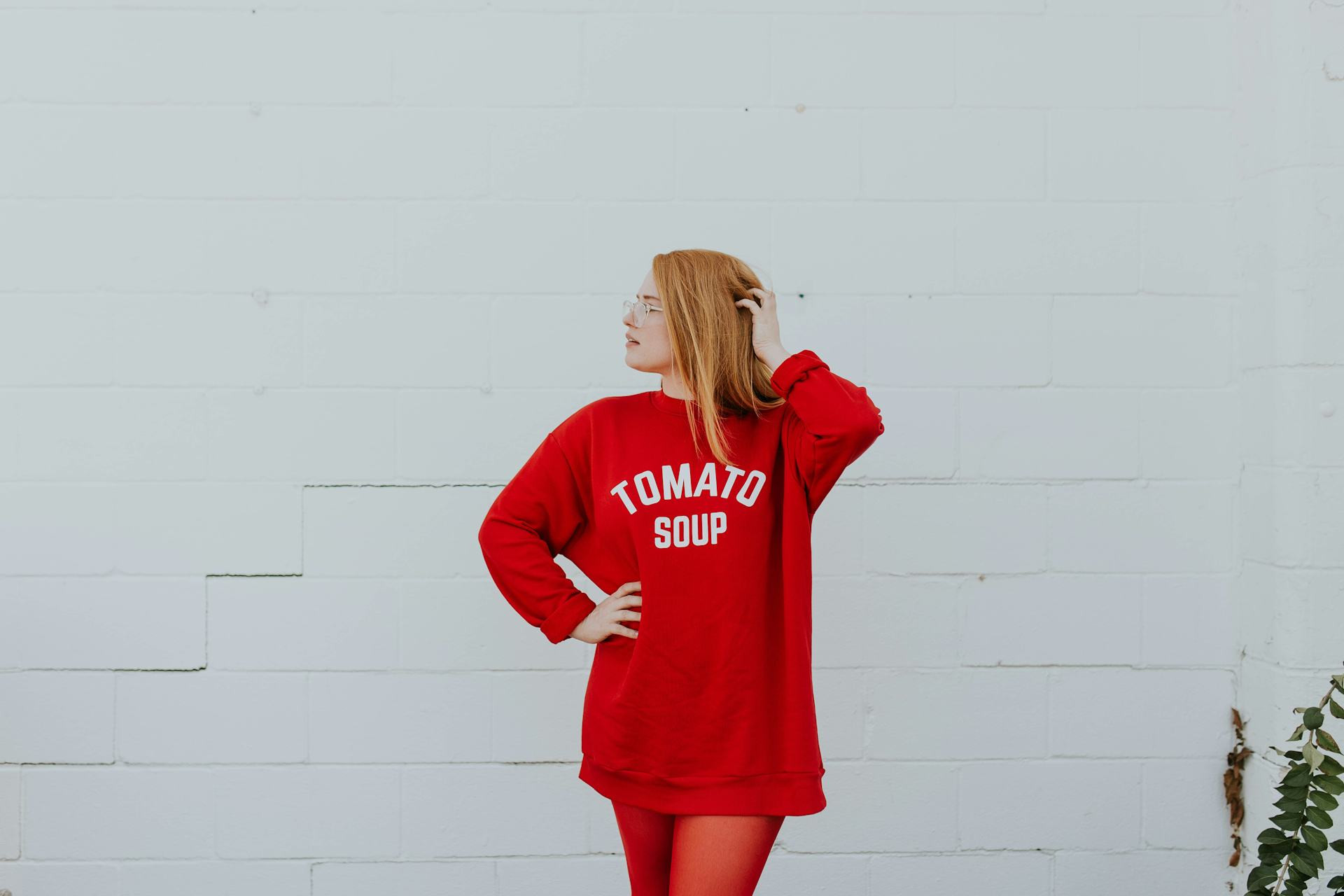
High or Low Neckline? How to Choose the Right Sweater for the Season and Your Style
When you’re standing in front of your closet trying to decide what to wear, the neckline of your sweater might seem like a small detail—but it can make a big difference in comfort, style, and seasonal practicality. A high neckline offers warmth and sophistication, while a lower neckline feels lighter and more relaxed. Here’s a guide to help you choose the right sweater for the weather, the occasion, and your personal style.
High Necklines – Warmth, Elegance, and Structure
Sweaters with high necklines—like turtlenecks and mock necks—are timeless staples for the colder months. They protect against chilly winds and create a polished look that works for both workdays and weekends.
- In winter: A wool or cashmere turtleneck is perfect under a coat. It keeps you warm without needing a scarf and pairs effortlessly with jeans, trousers, or skirts.
- For dressier occasions: A fine-knit turtleneck under a blazer gives a sleek, modern alternative to a button-down shirt.
- For everyday wear: A high-neck sweatshirt or chunky knit adds a sporty, cozy vibe—great with sneakers and relaxed-fit pants.
Keep in mind that high necklines can feel too warm indoors or on mild days. Choose breathable materials like merino wool or cotton blends to stay comfortable.
Low Necklines – Lightness, Ease, and a Relaxed Look
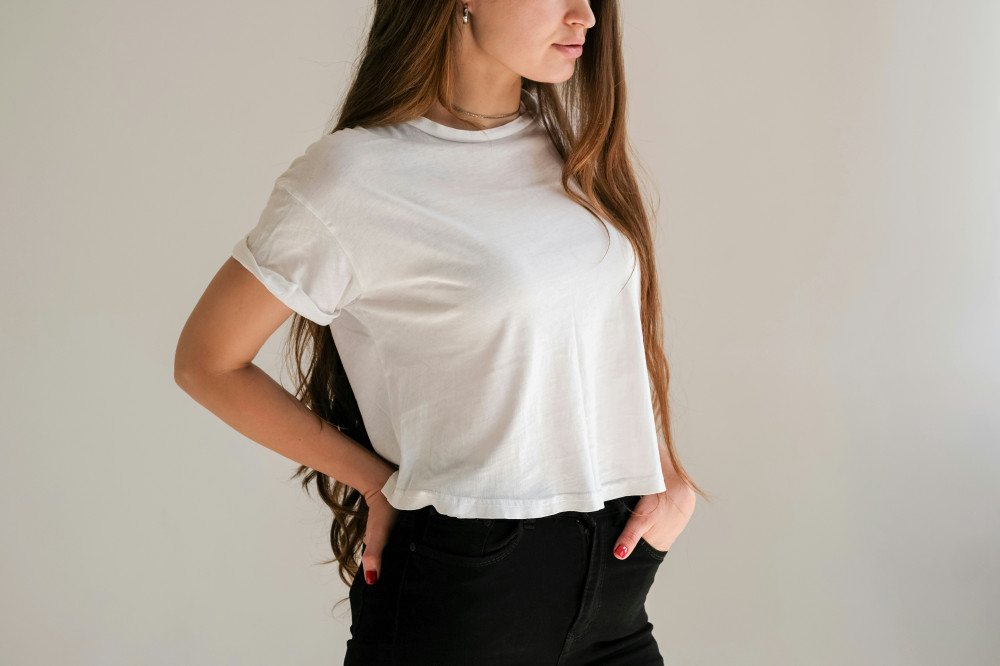
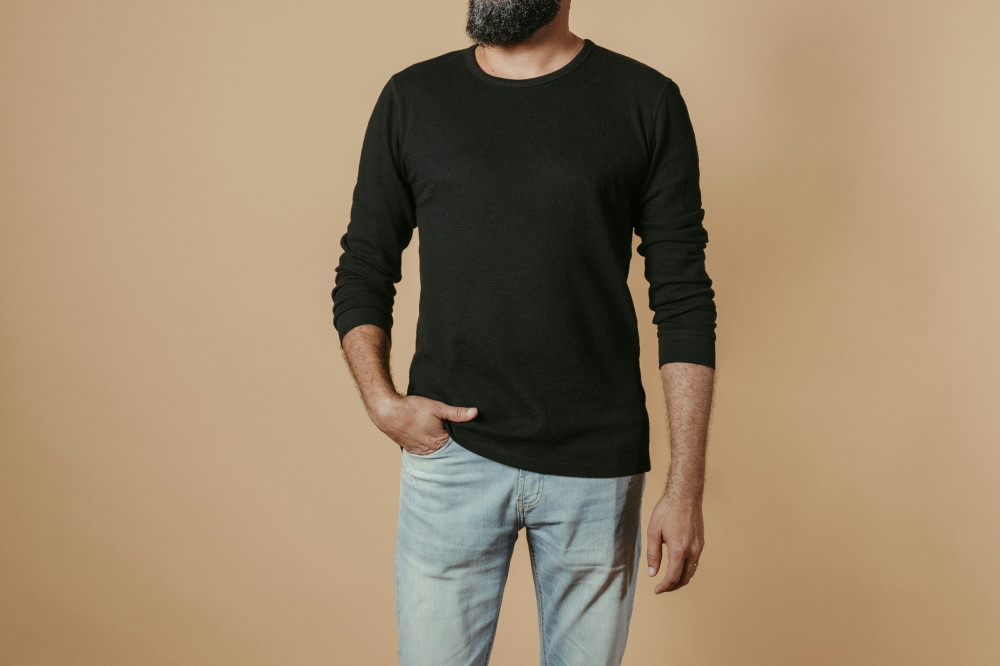
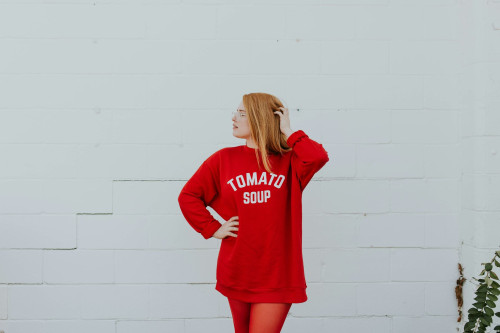
Sweaters with lower necklines—crew necks, V-necks, or boat necks—offer more airflow and freedom of movement. They’re ideal for transitional weather and warmer climates, where layering is key.
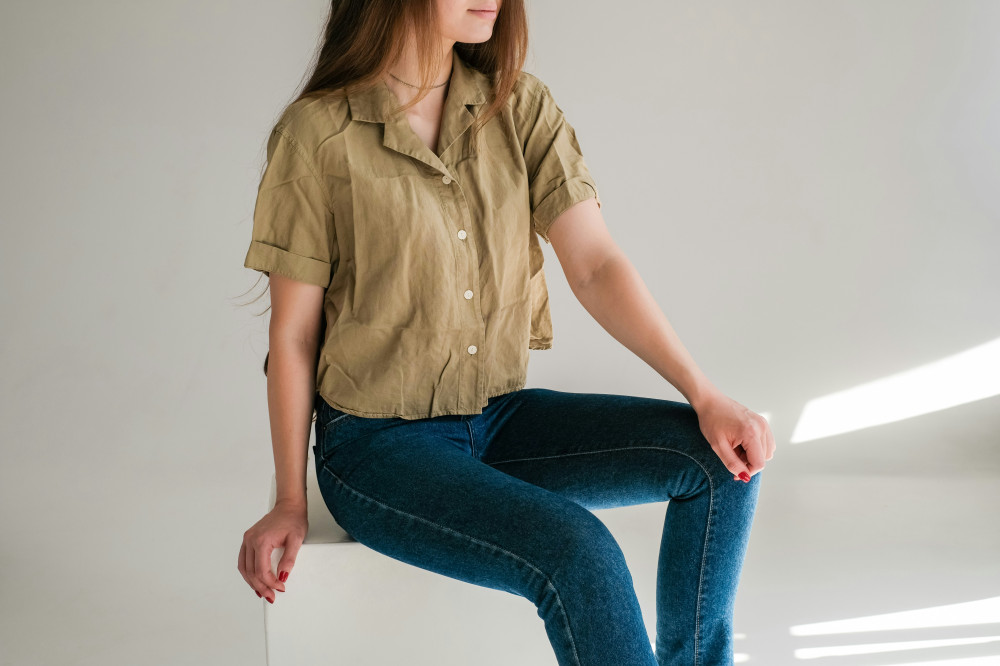
- In spring and summer: A lightweight cotton or linen crew neck is perfect for sunny days. Wear it on its own or layered over a collared shirt for a casual, layered look.
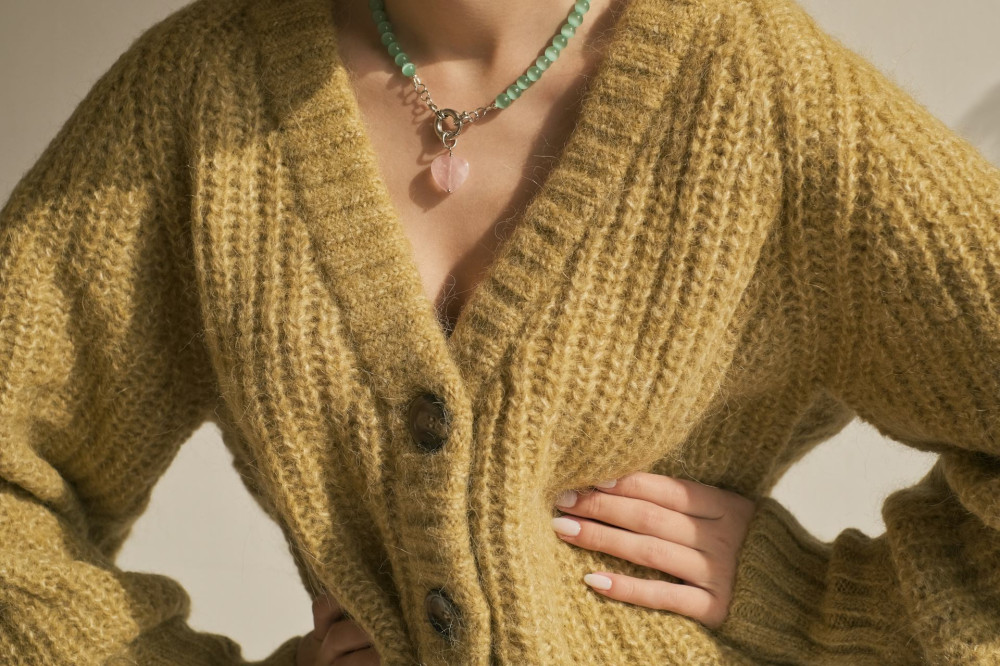
- For casual settings: A V-neck sweater gives a more open, laid-back feel. It looks great with a crisp shirt underneath, letting the collar peek out for a touch of structure.
- For active days: Lower necklines allow better ventilation and flexibility—ideal for outdoor activities or travel.
A lower neckline also highlights the neck and collarbone, adding a touch of effortless style that fits perfectly with the easygoing American approach to casual dressing.
Læs også:
Materials and Layering – The Key to Versatility
No matter the neckline, the fabric determines how your sweater feels and performs.
- Wool and cashmere trap heat and are best for high-neck styles in cold weather.
- Cotton and bamboo are breathable and soft—great for low-neck sweaters or layering pieces.
- Performance blends with polyester or nylon are perfect for outdoor wear, offering moisture control and stretch.
Layering is your best friend when temperatures fluctuate. Try a low-neck T-shirt under a high-neck sweater for flexibility—you can remove layers as the day warms up.
Style and Personality – Finding Your Balance
Choosing between a high or low neckline isn’t just about temperature—it’s about expressing your personality.
- If you prefer a classic, refined look, go for a high neckline.
- If your style leans casual and effortless, a low neckline will feel more natural.
- Or mix it up: wear high necks in winter and switch to lower cuts when spring arrives.
The most important thing is that you feel comfortable—both physically and in your own style. A sweater should not only keep you warm but also reflect who you are.
Building a Seasonal Wardrobe
When planning your wardrobe, think in terms of the seasons:
- Fall and winter: High-neck sweaters in warm, insulating materials.
- Spring and summer: Low-neck styles in lighter fabrics.
- Transitional months: Combine layers and play with contrasts—like a collared shirt under a soft crew neck or a T-shirt beneath a turtleneck.
With the right mix of necklines, fabrics, and layers, your sweater collection can carry you comfortably and stylishly through every season of the year.
Læs også: