Children’s Pants Choices: Listen to Their Preferences and Decide Together

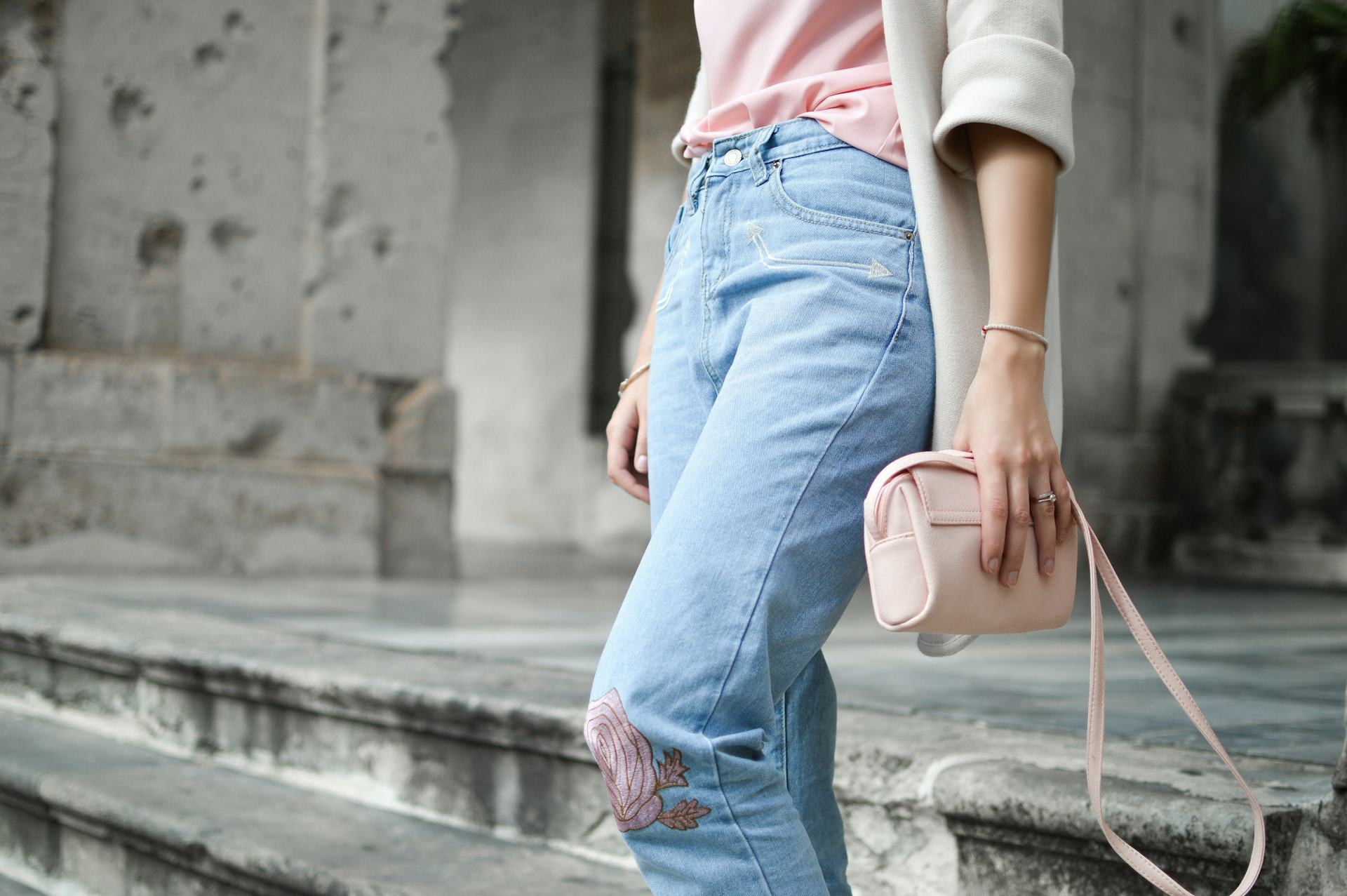
Children’s Pants Choices: Listen to Their Preferences and Decide Together
When it’s time to buy new pants for your child, it can quickly turn into a balancing act between practicality, comfort, and personal style. Parents often focus on durability, fit, and price, while kids care more about color, patterns, and how the pants feel. Finding the right pair isn’t just about clothing—it’s about listening, collaborating, and giving your child space to express themselves.
Comfort First – On the Child’s Terms
Kids move constantly, so their pants need to keep up. Stretchy fabrics, soft waistbands, and freedom of movement are key. But comfort isn’t only about function—it’s also about how the child experiences the clothing.
Some kids can’t stand stiff jeans, while others love them. Some prefer sweatpants because they’re cozy, while others want to look like their older siblings in “real” pants. The most important thing is to take your child’s feelings seriously. If the pants feel scratchy or too tight, they’ll just sit in the drawer.
Style and Identity – Let Your Child Have a Say
Clothing is a form of self-expression, even for young children. Many preschoolers already have strong opinions about colors, prints, and styles. It can be tempting for parents to take control, but involving your child helps them learn to make choices and understand their own preferences.
Take your child shopping, or let them pick between a few options online. This gives them a sense of ownership and reduces daily battles. You can still guide the process—suggest pants that fit their style but also suit the season or school dress code.
Practical Considerations – Durability and Function
While style matters, pants still need to hold up to everyday life. Look for reinforced knees, adjustable waistbands, and fabrics that can handle frequent washing. For school-age kids who play outside, it’s helpful to choose pants that work both in the classroom and on the playground.
A good strategy is to have a few different types of pants: one pair for rough play, one for special occasions, and one for lounging at home. That way, your child can choose what fits the day—and you can avoid morning arguments.
Talking About Clothes – A Lesson in Cooperation
Conversations about clothing are also opportunities to teach listening and compromise. You can explain why certain materials are better for winter or why pockets are useful, while also asking what matters most to your child.
When you take their opinions seriously, you show respect—and that builds trust. Many parents find that kids are more cooperative when they feel heard.
Læs også:

Sustainable Choices – Teaching Long-Term Thinking
More American families are thinking about sustainability when it comes to kids’ clothes. That might mean choosing organic cotton, supporting brands with ethical production, or shopping secondhand. Involve your child in these decisions: talk about why reusing clothes is good for the planet or what it means when something is made from natural materials.
When children understand that clothing choices can also reflect care for the environment, they gain valuable awareness that can shape their habits later in life.
Shared Decisions Lead to Happier Kids – and Fewer Conflicts
Choosing pants together takes a little extra time, but it’s worth it. When kids feel included, they’re more satisfied with what they wear—and you’ll face fewer daily struggles over outfits.
Ultimately, it’s about finding the balance between a parent’s practical perspective and a child’s personal preferences. Because pants aren’t just pants—they’re part of your child’s comfort, confidence, and everyday expression.
Læs også: