Avoid Bad Buys: How to Choose Women’s Shoes You’ll Actually Wear


Avoid Bad Buys: How to Choose Women’s Shoes You’ll Actually Wear
Most women know the feeling: a pair of shoes that looked perfect in the store but ended up collecting dust after just a few wears. Maybe they pinch, don’t match your wardrobe, or simply don’t fit your lifestyle. Choosing women’s shoes isn’t just about fashion—it’s about comfort, practicality, and how they fit into your everyday life. Here’s how to avoid bad buys and find shoes you’ll actually love to wear.
Know Your Needs—and Your Routine
Before falling for a pair of shoes, think about how you really use your footwear. Do you walk a lot during the day? Work in an office or spend hours on your feet? Are you shopping for work, weekends, or special occasions?
Take a quick inventory of the shoes you already own and which ones you wear most. Many women discover they have plenty of dressy pairs but few comfortable everyday options. When you understand your real needs, it’s easier to choose shoes that fit your lifestyle—and that you’ll actually reach for.
Comfort First, Style Second
While design often catches your eye first, comfort determines whether you’ll actually wear the shoes. Try them on later in the day when your feet are slightly swollen—this gives a more accurate sense of fit.
Make sure there’s enough room for your toes and that your heel stays in place without slipping. Materials like leather and suede mold to your feet over time, while synthetic materials tend to be less forgiving. If you’re on your feet a lot, look for cushioned insoles and shock-absorbing soles.
Walk around the store—or at home if you’re shopping online—and pay attention to how they feel. If you notice pressure points or discomfort after a few minutes, it’s unlikely they’ll get better with wear.
Choose Versatile Colors and Styles
A common mistake is buying shoes that only go with one outfit. To get the most out of your purchase, stick with neutral shades like black, tan, white, or nude—colors that pair easily with most wardrobes.
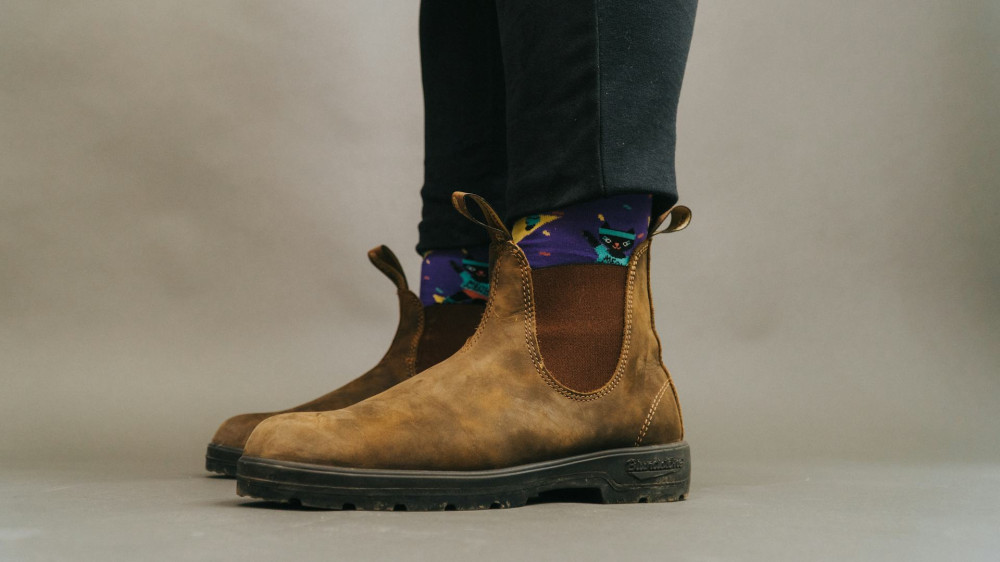
Simple styles such as loafers, sneakers, or ankle boots can transition from jeans to dresses effortlessly. If you want something more distinctive, play with texture—like suede, patent leather, or embossed finishes—rather than bold colors that are harder to match.
Think About Heel Height
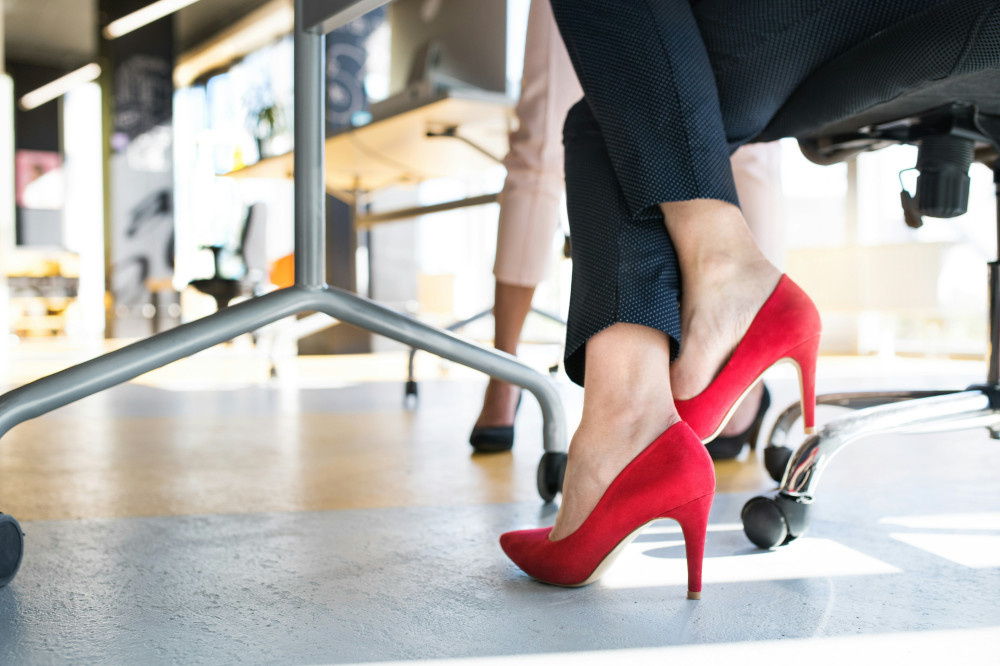
Heels can add polish and confidence, but they should also be practical. Consider how long you can realistically wear them and whether they suit your daily pace. Block heels or wedges often provide better support than thin stilettos, and many brands now offer stylish low-heel options that still look feminine.
If you rarely wear high heels, skip the “just in case” pair—they’ll likely stay in the closet. Instead, invest in chic flats or low heels you can actually move in.
Quality Pays Off
A well-made pair of shoes might cost more upfront, but they’ll last longer and feel better. Look for sturdy stitching, quality materials, and soles that can be replaced. It’s a smarter and more sustainable investment in the long run.
A good strategy is to invest in one or two classic, high-quality pairs and supplement with more affordable trend pieces if you like to follow fashion. That way, you get both durability and variety.
Læs også:


Care for Your Shoes
Even the best shoes need a little attention to stay in shape. Use a shoehorn to protect the heel, and give your shoes a day off between wears so they can air out and keep their form. Clean and condition them regularly—especially leather or suede—to extend their life.
Well-cared-for shoes not only look better but also feel better to wear. And when your shoes look good, you’ll be more inclined to wear them often.
Make Room for the Right Pairs
Before buying new shoes, take a moment to declutter your closet. Donate or recycle pairs you never wear and think about why they didn’t work. Were they too high, too tight, or hard to match? Learning from past mistakes helps you make smarter choices next time.
When your collection only includes shoes you actually use, it’s easier to see what’s missing—and to shop with purpose.
The Best Shoes Are the Ones You Wear
In the end, choosing women’s shoes is about finding the balance between style, comfort, and practicality. The pairs you wear most might not be the flashiest, but they fit your life, your wardrobe, and your stride. And that’s what makes them the right ones.
Læs også: